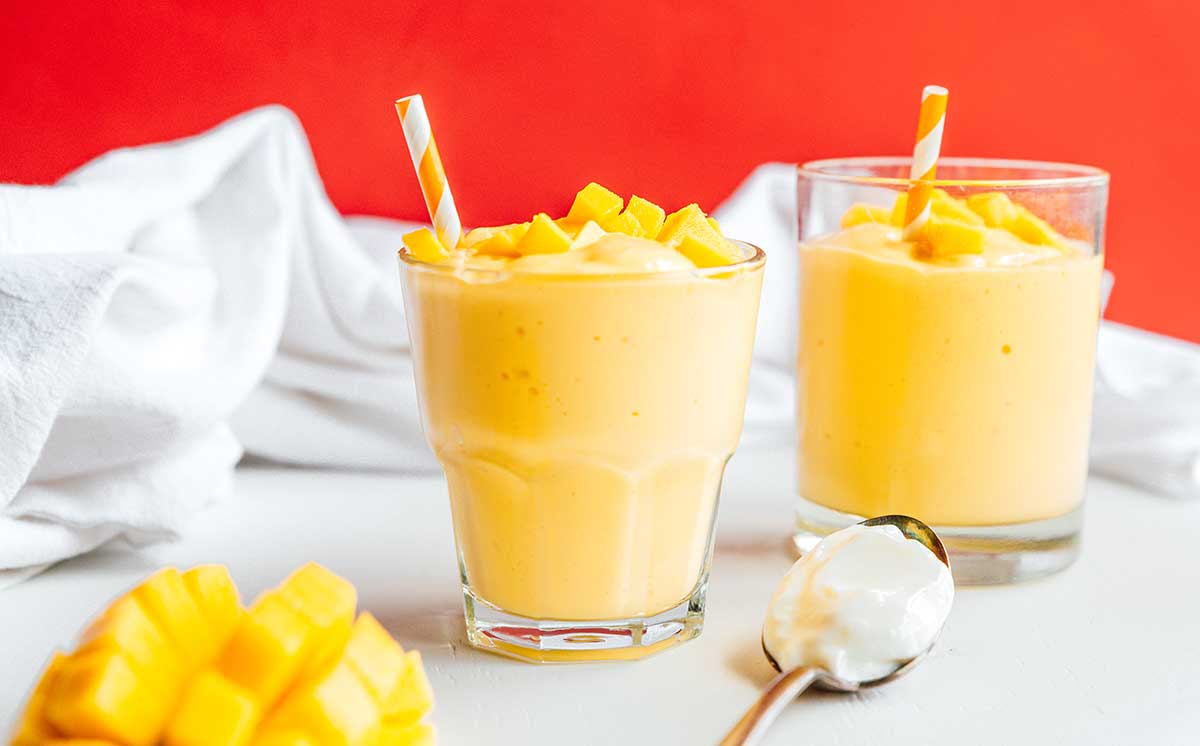
Imagine a golden, sun-kissed beverage, bursting with the vibrant flavors of the tropics, ready to transport you to a blissful paradise with every sip. That’s the magic of a homemade mango smoothie. Far more than just a refreshing drink, a perfectly crafted mango smoothie is an experience – a delightful escape that can be enjoyed any time of day, whether as a quick breakfast, a revitalizing snack, or a sweet treat.
The beauty of the mango smoothie lies in its simplicity and natural goodness. With just a few staple ingredients, often fewer than five, you can whip up a truly extraordinary drink. But beyond the basic recipe, there’s an art to mastering your mango smoothie, especially when it comes to choosing between fresh and frozen mangoes and fine-tuning that perfect texture. Let’s dive deep into the world of mango smoothies to unlock their full potential.
The Allure of the Mango Smoothie: A Tropical Escape in a Glass
Mangoes are, without a doubt, the undisputed MVPs of the tropical fruit world. These golden gems offer a unique flavor profile that is delicately sweet, often with intriguing hints of apricot, citrus, pineapple, and subtle floral notes. It's a taste that conjures images of sun-drenched beaches and swaying palm trees, making it the ideal base for a truly transporting smoothie.
What makes a mango smoothie so appealing is its inherent natural sweetness and creamy texture, especially when paired with complementary ingredients. A classic Easy Mango Smoothie Recipe: Tropical Bliss with 4 Ingredients typically relies on mangoes, bananas, yogurt, and milk. This simple combination creates a harmonious blend that requires no added sugar or artificial ingredients, letting the natural flavors shine through. It’s a testament to the power of fresh, wholesome ingredients when brought together in perfect balance.
Fresh vs. Frozen Mangoes: Your Ultimate Guide to Texture and Flavor
One of the most common questions aspiring smoothie enthusiasts ask is whether to use fresh or frozen mangoes. While both options will yield a delicious drink, understanding their distinct advantages and disadvantages is key to achieving your desired flavor intensity and consistency.
The Case for Fresh Mangoes: Unrivaled Flavor Potency
- Pros:
- Intense Flavor: Fresh, perfectly ripe mangoes boast the most potent and nuanced flavor profile. Their aromatic compounds are at their peak, delivering that unmistakable tropical sweetness and complexity that can sometimes be slightly muted in frozen varieties. If you prioritize a powerful mango punch, fresh is the way to go.
- Vibrant Aroma: The scent of a fresh, ripe mango is intoxicating and translates directly into a more aromatic smoothie experience.
- Cons:
- Seasonal Availability: Finding consistently ripe and high-quality fresh mangoes can be challenging outside of peak season, depending on your location.
- Preparation Time: Peeling and pitting a fresh mango takes a little effort and can be messy.
- Consistency: Smoothies made with only fresh mangoes (and no ice) tend to be thinner and less 'sorbet-like.'
- Cost: Fresh mangoes can sometimes be more expensive, especially when out of season.
- Fibrous Varieties: Some fresh mango varieties can be quite fibrous, which might affect the smoothness of your drink if not blended thoroughly.
- Tips for Fresh: Choose mangoes that yield slightly to gentle pressure and have a fragrant aroma near the stem. Look for vibrant color, though color isn't always the best indicator of ripeness for all varieties.
The Case for Frozen Mangoes: The Secret to Creamy, Thick Smoothies
- Pros:
- Unbeatable Thickness: This is where frozen mangoes truly shine. They act as a natural thickener, transforming your smoothie into a luxuriously thick, sorbet-like consistency that’s perfect for eating with a spoon. You often won't need ice, which means no watered-down flavor.
- Convenience: Pre-cut frozen mangoes are always ready to use, saving you time on peeling and chopping. They're available year-round, ensuring your tropical craving can always be satisfied.
- Cost-Effective: Buying frozen mangoes in bulk can often be more economical, making them a pantry staple for smoothie lovers.
- Chilling Effect: They naturally chill your smoothie without diluting its flavor, ensuring a refreshingly cold drink.
- Cons:
- Potentially Muted Flavor: While still delicious, the freezing process can sometimes slightly diminish the intensity and subtlety of the mango's flavor compared to a perfectly ripe fresh one.
- Tips for Frozen: If you're using mostly frozen fruit and desire a very thick smoothie, you might need to add a splash more liquid than usual or use your blender's tamper to help process the ingredients without over-blending.
The Verdict: For the most vibrant flavor, use fresh. For the thickest, creamiest, and most convenient smoothie, opt for frozen. Many smoothie enthusiasts find the ideal solution is a combination of both – a handful of fresh mango for flavor, and a handful of frozen for unparalleled texture and chill.
Achieving Your Perfect Mango Smoothie Texture: Beyond the Basics
Texture is paramount when it comes to smoothies. Whether you prefer a thick, spoonable blend or a light, straw-friendly drink, a few simple adjustments can make all the difference.
Crafting a Thick, Spoonable Smoothie
If you're a fan of eating your smoothie with a spoon, almost like a soft-serve ice cream, focus on these elements:
- Embrace Frozen Fruit: As discussed, frozen mangoes are your best friend here. Adding a frozen banana alongside your mangoes will amplify the creaminess and thickness even further.
- Minimize Liquid: Start with the bare minimum of milk or yogurt. You can always add more a tablespoon at a time until you reach the desired consistency.
- Add Ice (Sparingly): While frozen fruit often negates the need for ice, a few cubes can help achieve an extra-cold, slushy thickness. Be mindful not to add too much, as it can dilute the flavor.
- Consider Greek Yogurt: Greek yogurt is much thicker than regular yogurt, contributing significantly to a dense, creamy texture.
Achieving a Smooth, Drinkable Consistency
For those who prefer a smoothie that effortlessly glides through a straw, consider these points:
- Increase Liquid: Use more milk, plant-based milk, or even a splash of orange or pineapple juice to thin out the blend.
- Mix Fresh and Frozen: Incorporate more fresh mangoes alongside a smaller amount of frozen fruit, or rely solely on fresh and add ice to chill.
- Blender Duration: Blend until smooth, but be careful not to over-blend. Running the blender for too long can actually warm up your smoothie, making it thinner and less refreshing.
Sweetness Strategies: Naturally Enhancing Your Mango Smoothie
While mangoes and ripe bananas provide ample natural sweetness, sometimes you might desire an extra boost. The good news is, you don't need refined sugar!
- More Ripe Mangoes: Simple, yet effective. Adding more of this tropical fruit amplifies its natural sugars.
- Super Ripe Bananas: Bananas with brown spots on their peel are sweeter and contribute more natural sugars to your smoothie.
- Natural Sweeteners (Optional): If you truly crave more sweetness, a drizzle of honey, maple syrup, or a couple of pitted dates can do the trick without resorting to processed sugars.
Expert Tips for Blender Bliss and Beyond
- Don't Over-Blend: As mentioned, excessive blending not only thins your smoothie but can also warm it up. Blend just until smooth.
- Layer Your Ingredients: For optimal blending, start by adding your liquids (milk, yogurt), then softer fruits (fresh mango, banana), and finally, your frozen ingredients (frozen mango, ice). This helps the blades catch and process everything efficiently.
- Creative Add-Ins for Flavor & Nutrition: Your mango smoothie is a canvas for customization! For even more vibrant flavors and a nutritional boost, don't hesitate to experiment.
- Tropical Explosion: Pair mango with other tropical fruits like pineapple, papaya, or a splash of coconut water or milk.
- Protein Power: Add a scoop of protein powder (vanilla works wonderfully) for a post-workout recovery drink or a filling breakfast.
- Nutrient Boost: Incorporate chia seeds, flax seeds, a handful of spinach (you won't taste it!), a scoop of oats for fiber, or even a few cashews for extra creaminess and healthy fats.
- Zesty Kick: A squeeze of lime juice can brighten the flavors beautifully.
- Vegan-Friendly Swaps: Easily make your smoothie vegan by swapping dairy milk for plant-based alternatives like almond, soy, or coconut milk, and using a plant-based yogurt. These substitutions won't significantly alter the thickness or flavor profile.
- Serving and Storage: Smoothies are always best served immediately, when they are at their coldest and freshest. However, if you have leftovers, store them in an airtight container in the refrigerator for up to 24 hours. Give it a good shake or quick blend before serving again.
Conclusion
Mastering your mango smoothie is an enjoyable journey of experimentation and discovery. By understanding the nuances of fresh versus frozen mangoes, manipulating liquid ratios, and embracing creative add-ins, you can consistently achieve a perfectly textured, incredibly flavorful tropical treat. So, fire up your blender, embrace the golden goodness of mangoes, and create your own perfect sip of paradise.
